Geometry is a Metaphor. Measurement is nothing more than human’s attempt to control nature… it must therefore be fragile.
William Brown, 2019 (image from Don’t Look Now by Nicolas Roeg, 1972)
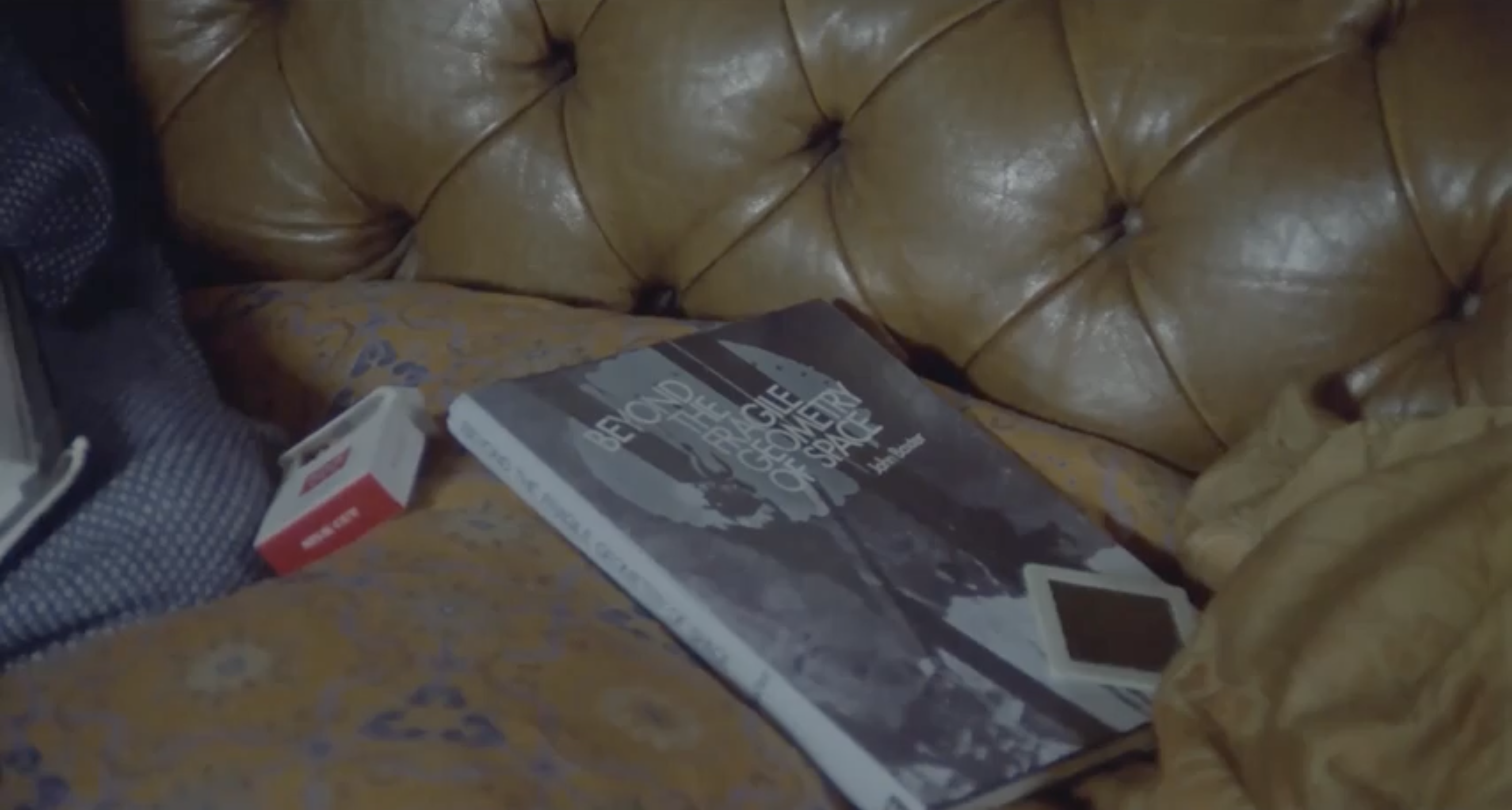
Beyond the Fragile Geometry of Space is a fictional book in the film Don’t Look Now by Nicolas Roeg. This title has been used or referenced for multiple exhibitions, books, songs, and articles over the years, some connected to Roeg’s film and some not ( Joseph Lanza, 1989 Peter Bolte, 2007 Group Exhibition curated by Lorenzo Benedetti, 2011 Tomasz Piarz/Antal Plans, 2018 Experimental Jetset, 2024, Natasha MH, 2025 ). The title resonates with me in relationship to Dunbar simply because it considers geometry to be fragile, and makes me think about going beyond… something. I previously thought of geometry as more of a fixed, solid thing, but I now see how fragile and subjective it can be, which I think is a beautiful thing. The process of making Dunbar was, for me, a process of learning this truth, which is what I want to write about here.
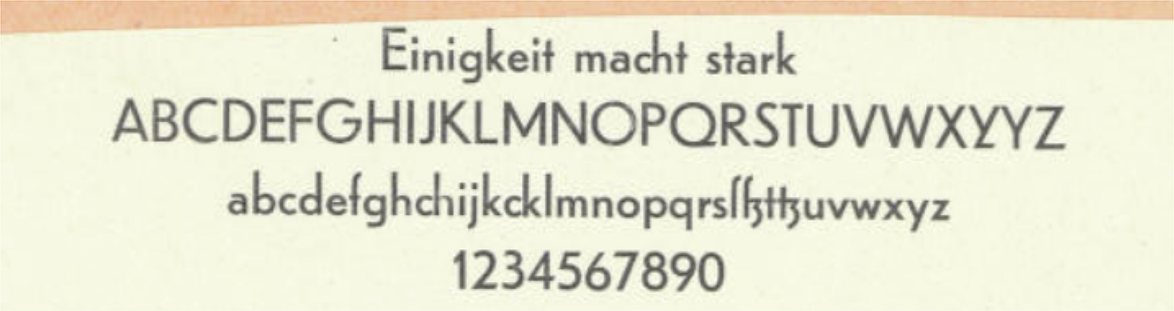
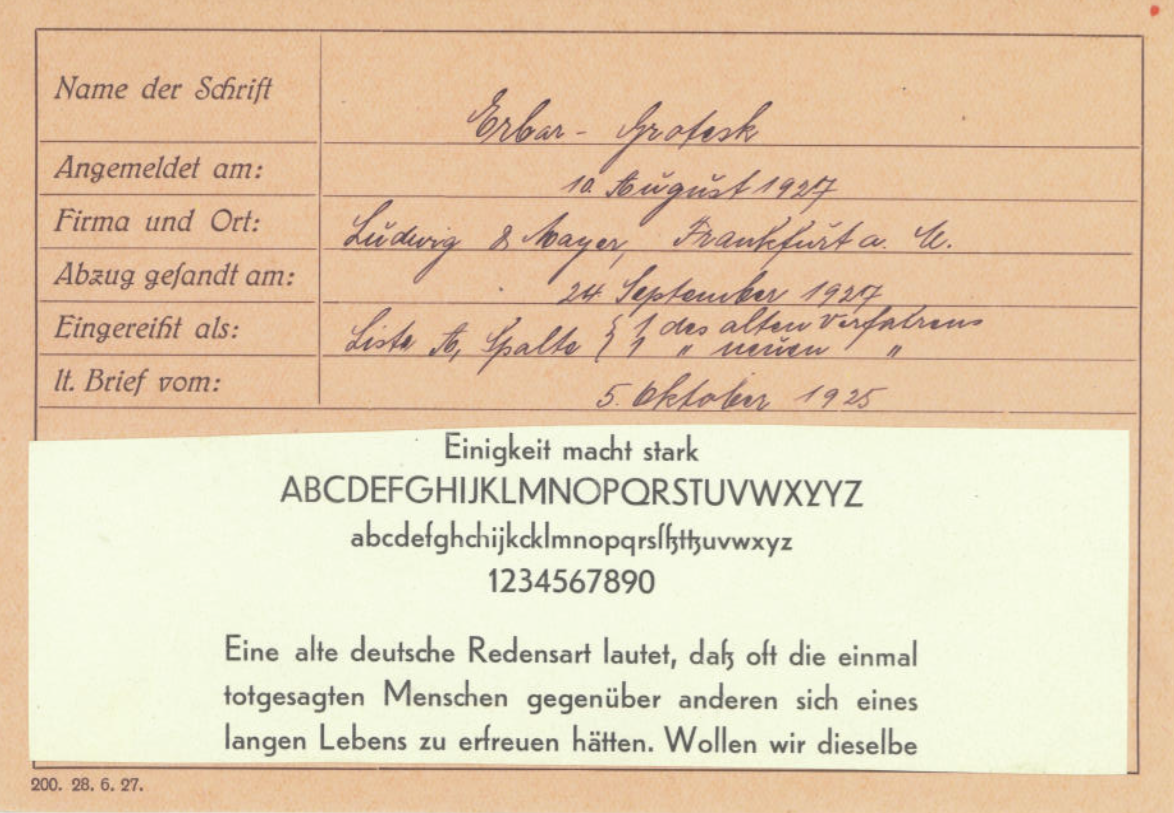
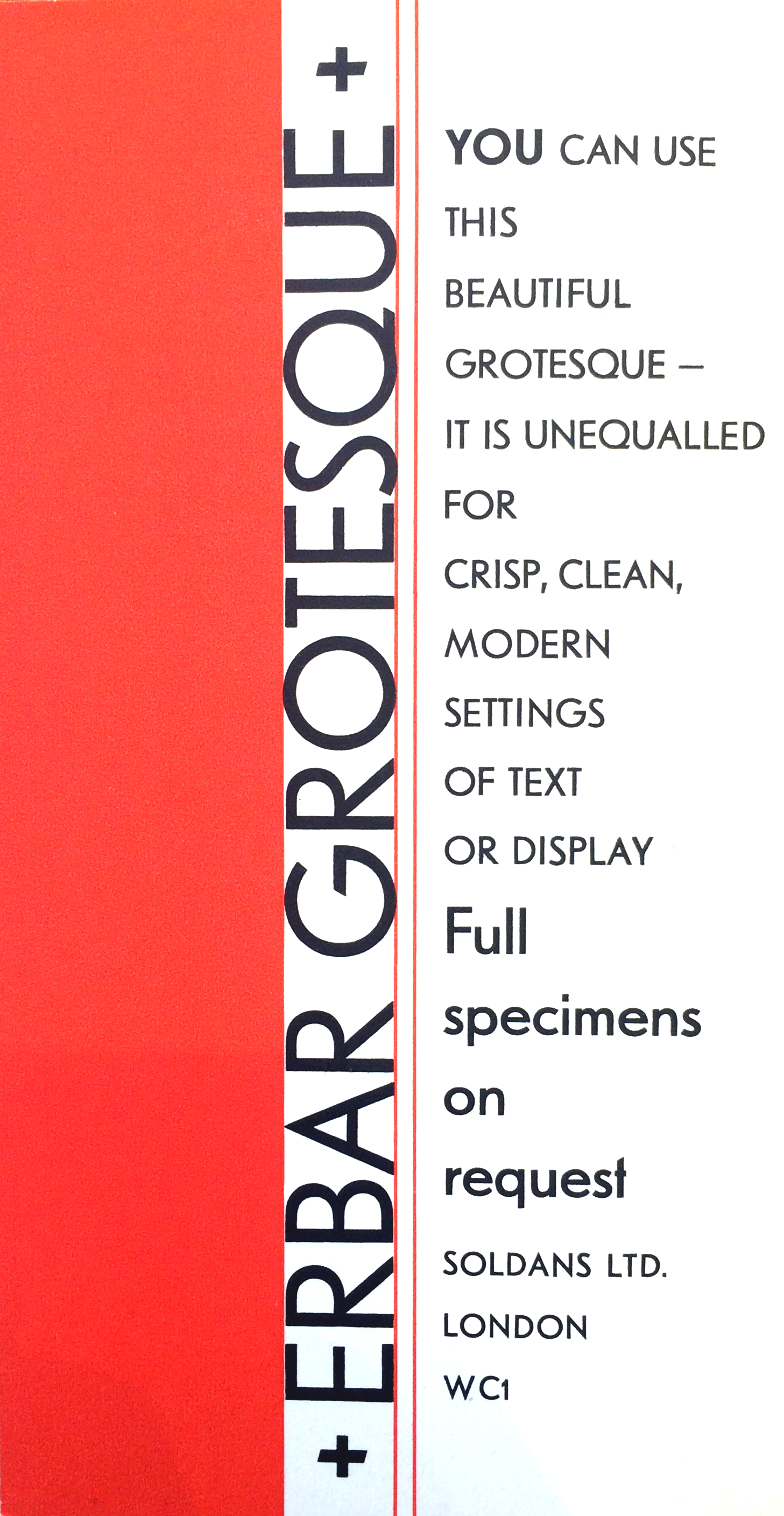
Before seeing this image of Erbar Grotesk from 1925, sent to me by Indra Kupferschmidt, I didn’t think I was interested in making a geometric sans typeface. Before this, when I thought of a geometric sans, I thought of Futura or other designs which I understood to be different takes on the Futura model of geometry like Avenir or Avant Garde Gothic. But when I saw this sample I was able to see an alternate approach to making a geometric sans that didn’t conform to the Futura model.
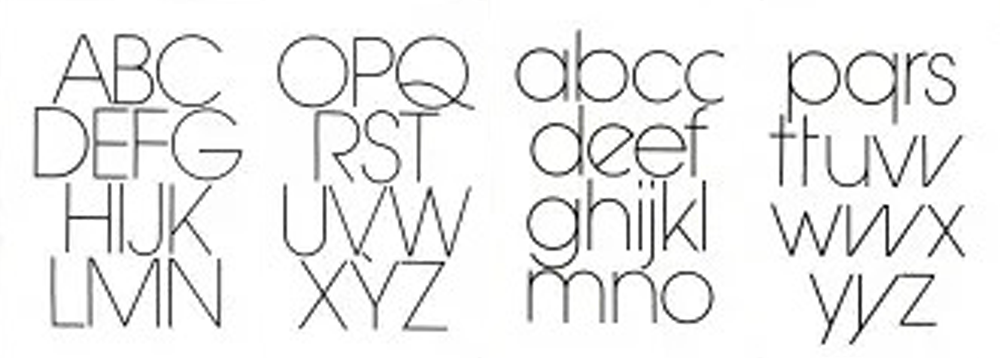
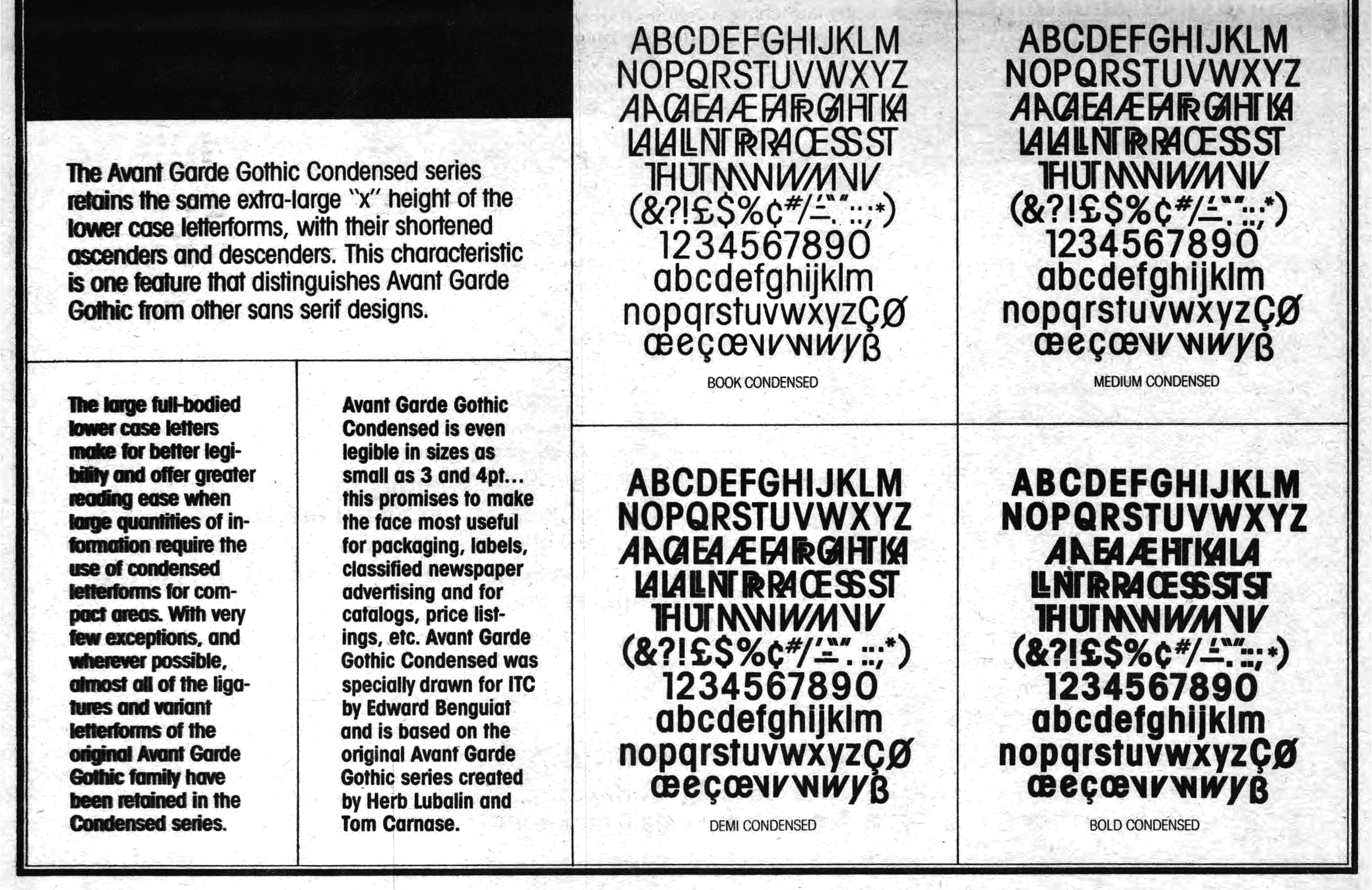
When I studied with Ed Benguiat, he taught us that Avant Garde Gothic, for which he designed the Condensed styles, was closely based on Futura, but with an extra-large x-height and tighter spacing.
And we learned that Avenir, meaning “Future” in French, was Adrian Frutiger’s take on Futura. In the promotion materials Frutiger writes about how Avenir is intended to be a clear and clean “linear” design, both modern and human, and thus more suitable for extended reading. Looking closer now I can see ways in which these were both not as directly connected to Futura as I previously thought, but overall I still connect both of these to a Futura-esque model of geometry.
More and more I can see that geometry is a metaphor. By challenging the inherited and well-accepted metaphors of geometric abstraction, we can arrive at new forms that break from past and create new metaphors.
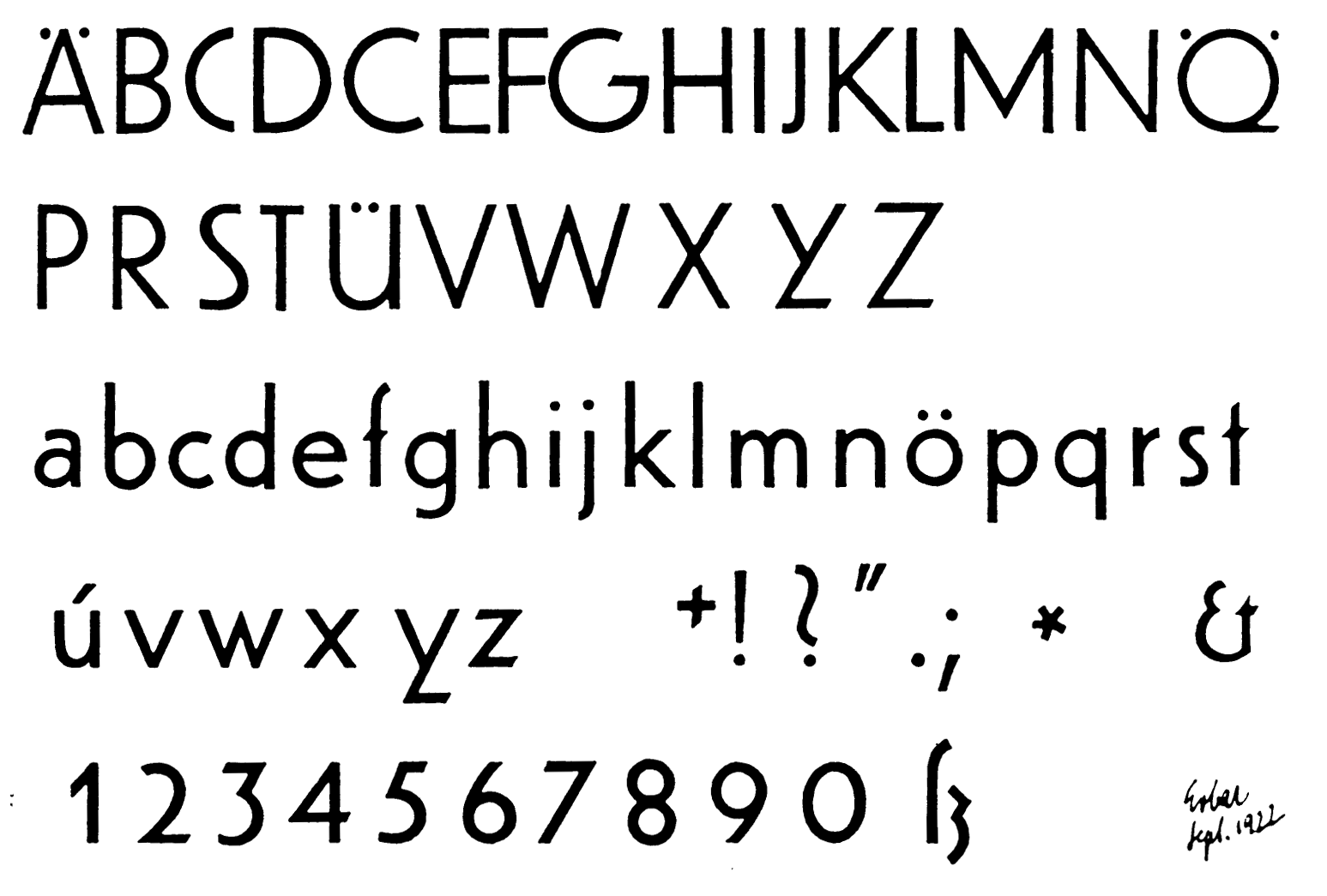
When I saw the early examples of Erbar, which was released in 1926 and started as early as 1922, I saw an alternate metaphor for a linear or geometric approach to designing a sans serif typeface.


The glyphs that particularly stood out to me were Aa Gg M and S:
These letters still felt constructed, but had a warmth in their geometry which I felt made them stand out from the dominant model of geometric sans I was familiar with.
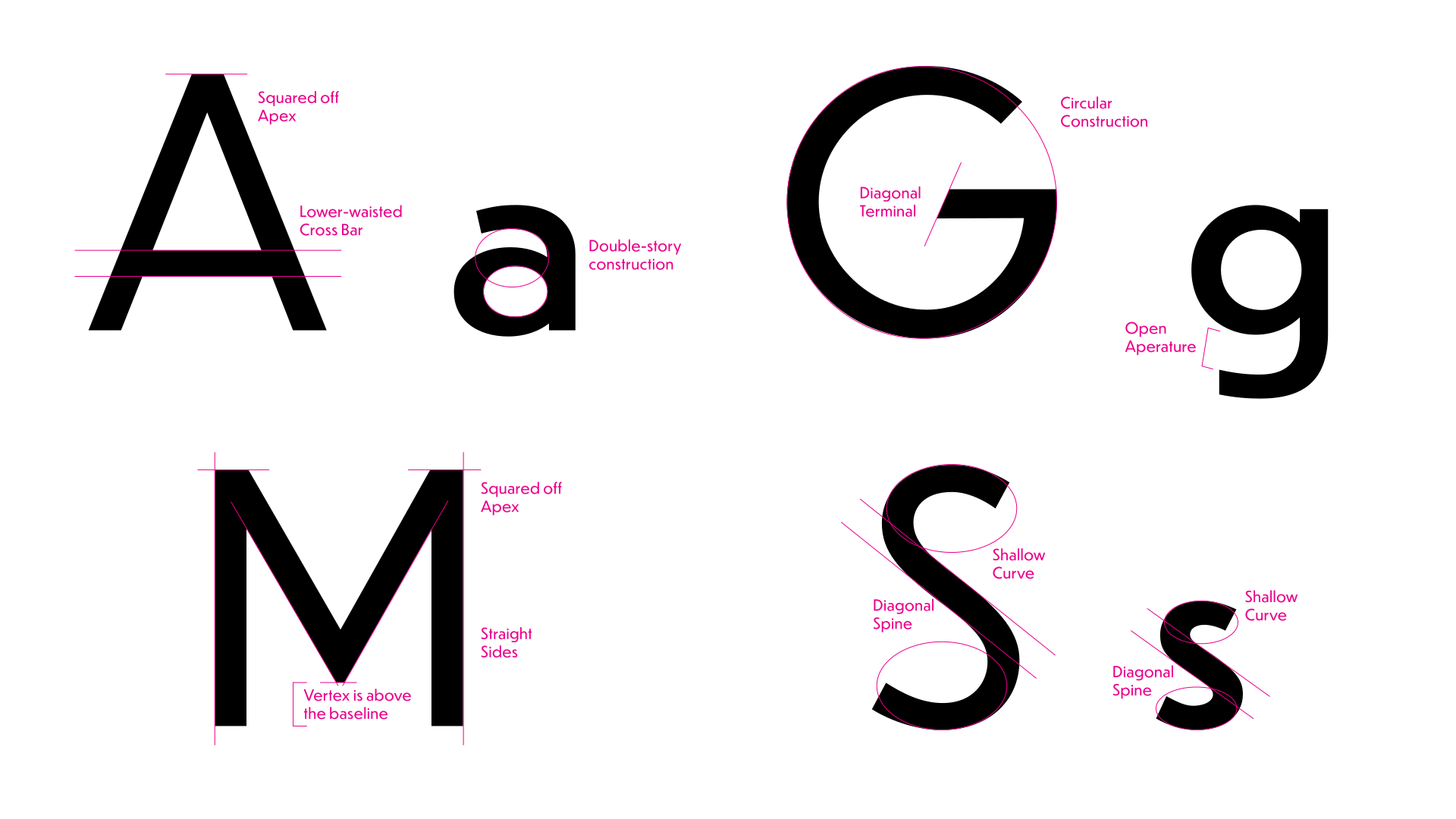
- the two-story /a felt firmly constructed but had more visual interest to me than the simpler single-story version
- the nicely balanced straight-sided /M whose diagonals didn’t touch the baseline
- the diagonally-spined /S and /s with shallow curvature above and below
- the open apertured /g which felt readable and confident in gesture
- the circular /G with diagonal terminal on horizontal bar
- the /A with squared off apex and lower-waisted crossbar
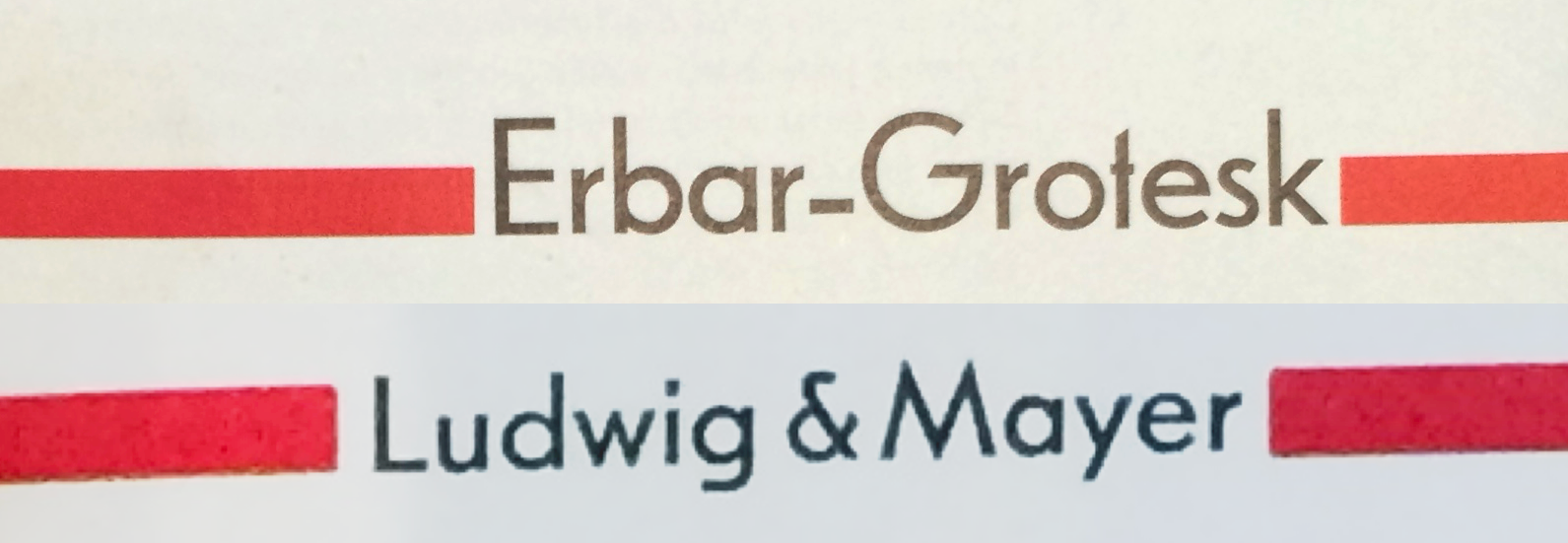
Later versions of Erbar show Futura-esque alternates, which I believe was due to market pressure’s to compete with Futura. These are:
- M with diagonally splayed arms and pointed apexes
- A, N, V, W with pointed apex
- single-story /a
Futura was released after Erbar, but was able to achieve greater success. And I believe this put pressure on other geometric sans serifs to conform to the Futura-style model, by including alternate glyphs in the Futura model, and eventually presenting these alternates as the primary form.
Jakob Erbar died in 1935 so he wasn’t around to defend his original design from “Futurafication.”
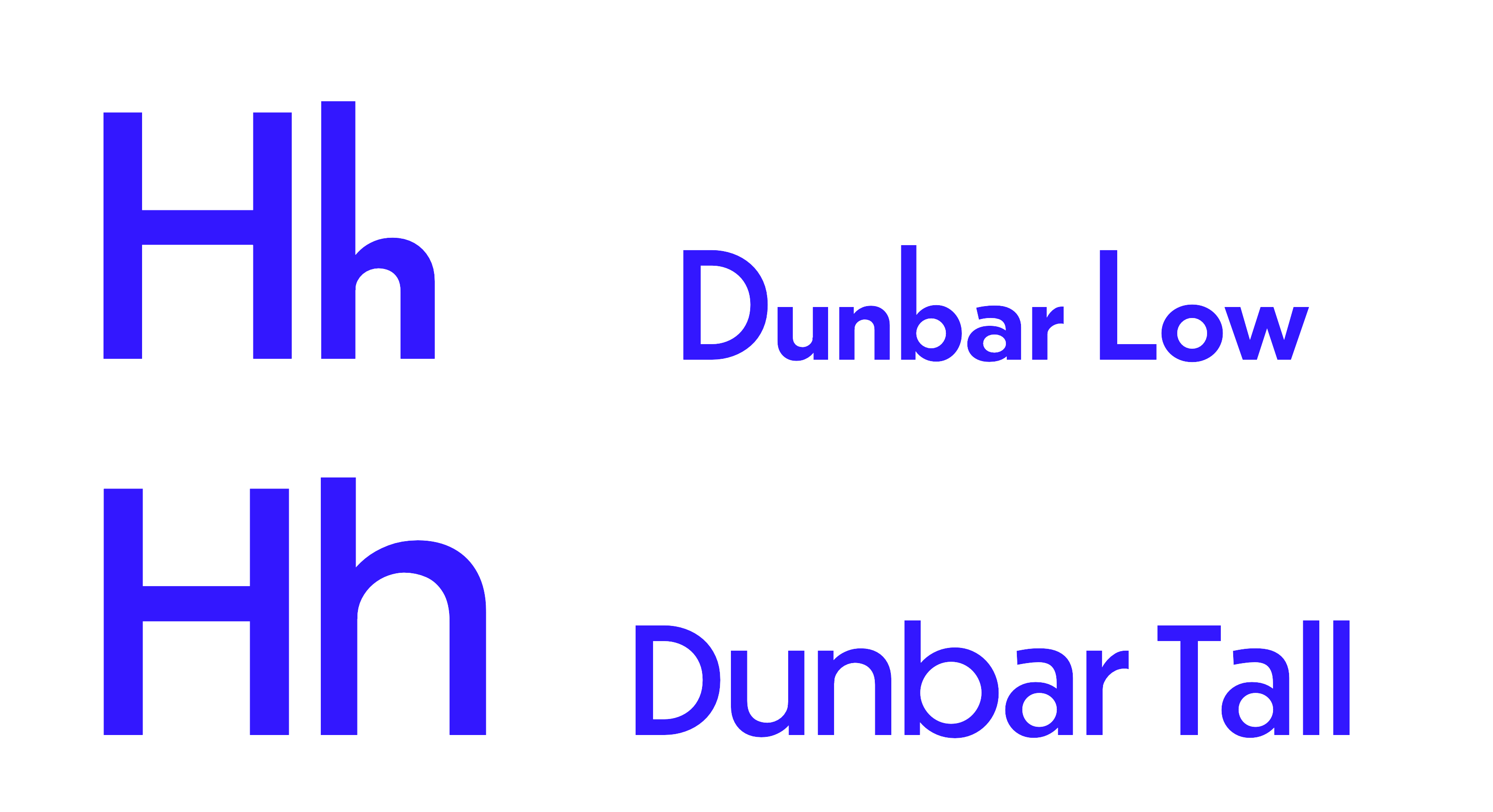
I explored a taller x-height from the beginning of Dunbar’s development because, while I personally loved the look of typefaces with extremely low x-heights, I knew that they could be hard to use in many practical situations. They generally require generous leading and need to be used at larger sizes in layouts where they can breathe due to the abundance of white space in lowercase or mixed case settings.
I always liked typefaces with extremely large x-heights, which I associated with phototypesetting from the 1970s, and which I felt were not well represented at the time in digital type. I was also fascinated with the idea of how the tall and low styles could be used together. The first time I used Dunbar for work that got produced was a poster for the Cooper Hewitt Museum Shop, where I found that Dunbar Tall could fit nicely into the margins of the poster. I also used it in sketches for an unreleased editorial design, where article headlines were set in Dunbar Low with section navigation and marginalia set in Dunbar Tall.
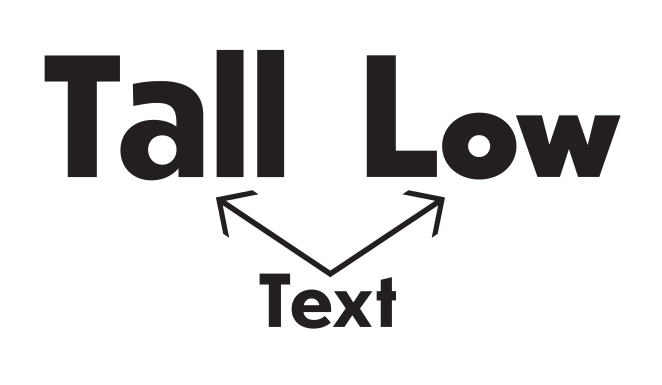
Experiments with Dunbar Text came next. The general wisdom I had learned was that typefaces for the smallest point sizes used taller x-heights. But upon testing this myself I found that this was only true up to a certain point. The tallest x-heights I tested for Dunbar Tall, at 574 units tall, were worse for small sizes than a more “moderate” tall x-height of 500 units. So I came to the conclusion that I would keep both Dunbar Low and Dunbar Tall as display variants, keeping the tighter spacing for larger sizes. And I would add an additional Dunbar Text family with an x-height of 500 and with looser spacing for use a smaller sizes.
I was definitely influenced by Christian Schwartz’s work on Neue Haas Grotesk, where he optimized NHG Text for smaller sizes and kept it at a limited number of weights, while offering NHG Display with tighter spacing and a wider range of weights. I got a chance to use NHG in my work designing packaging for The Chia Company. The client had previously been using Helvetica, and after pitching different typographic directions which they didn’t go for we convinced them to at least switch from Helvetica to NHG. I was able to see firsthand how much easier it was to read things like ingredients and nutritional information set in NHG Text than in Helvetica. And the larger text on the packaging looked much better with tighter spacing of NHG Display. And when testing mid-size text in both NHG Display and NHG Text I notice how the stem weights changed noticeably for each weight between Text and Display.
This encouraged me to do extensive testing for stem weights in Dunbar Text and to not just keep the stem weights of the Tall or Low styles meant for larger sizes.
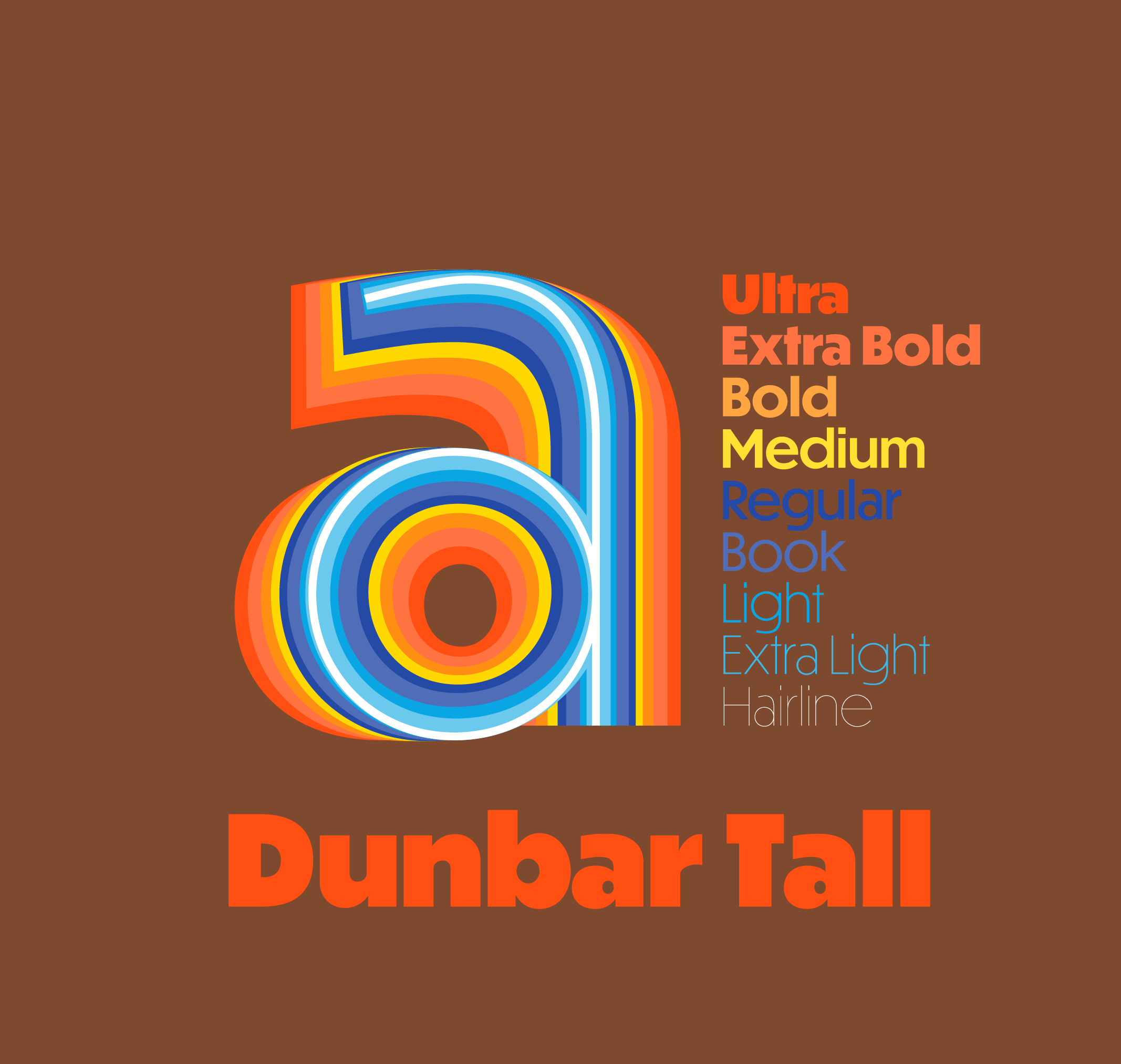
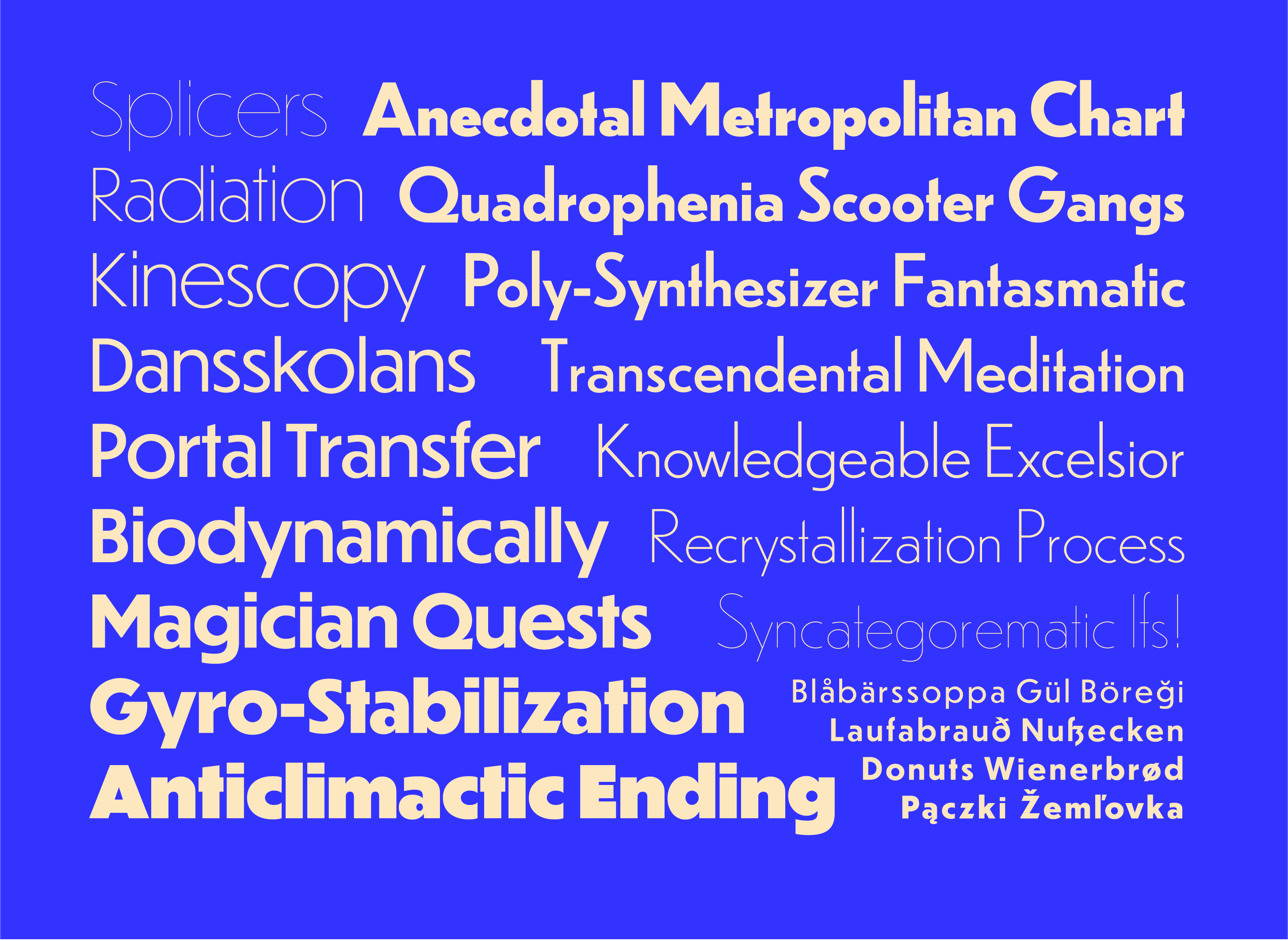
I also did extensive testing for the stem weights of Dunbar Tall, which had the widest range of weights. I wanted the options to use Dunbar Low side-by-side with Dunbar Tall so I decided to keep the stem weights of the caps the same between the two families. This was helpful early on in my Superpolator file that I used for interpolation, and was helpful later on when producing the Dunbar variable fonts.
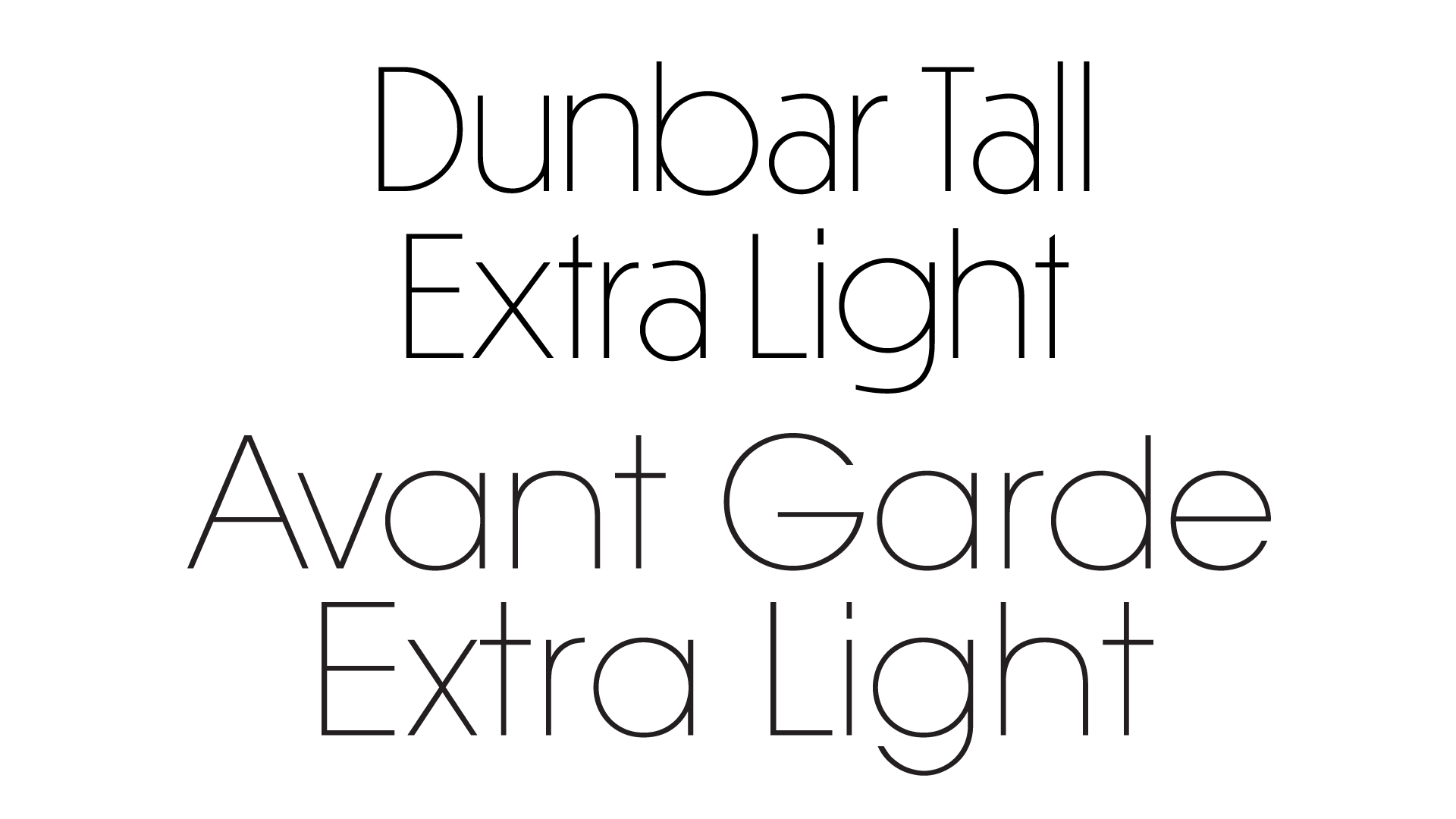
One weight I was particular about was for Dunbar Tall Extra Light.
I remember a project I worked on in a design studio where we were looking for an Extra Light typeface. We had mocked up with headline with Avant Garde Extra Light, and I was pitching other typeface options to replace it, some more adventurous or unique designs that weren’t as ubiquitous as Avant Garde, but the other options we tried were either too light or too dark with nothing in between. We ended up sticking with Avant Garde because the Extra Light weight was exactly the right weight we needed. So in side by side layout testing I make Dunbar Tall Extra Light feel as close to Avant Garde Extra Light as possible.
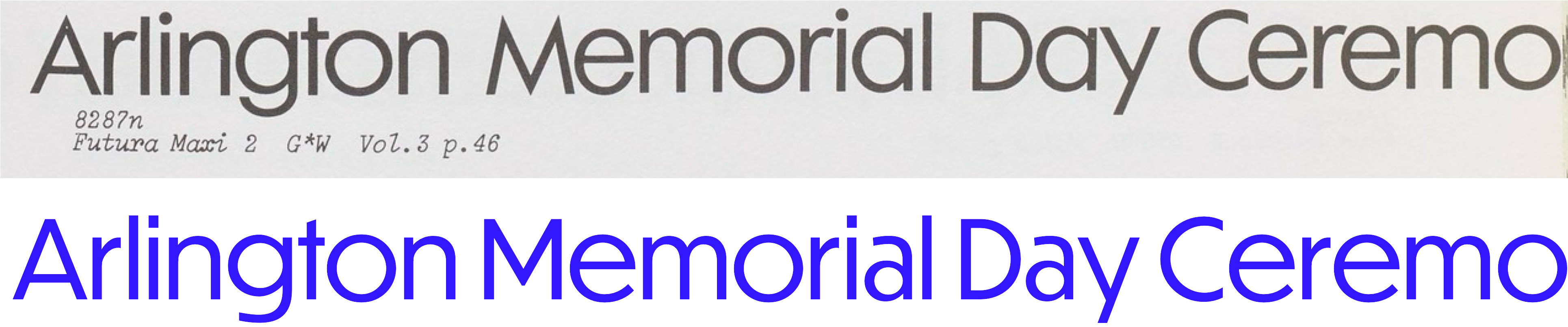
Seeing Erbar’s warmer original approach to linear geometric letters, especially in its earliest incarnations, made me consider an alternate reality – a kind of typographic historical fiction.
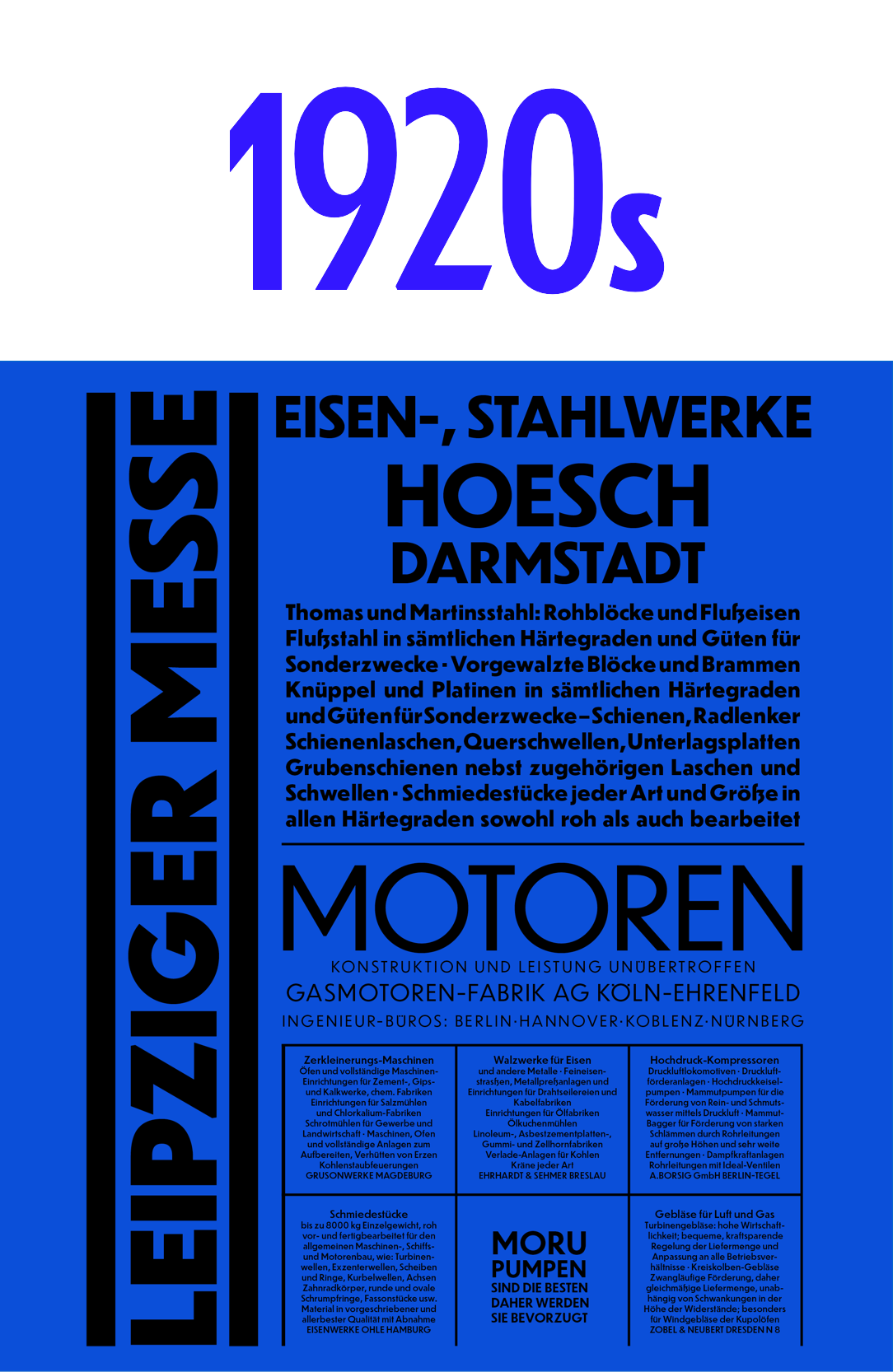
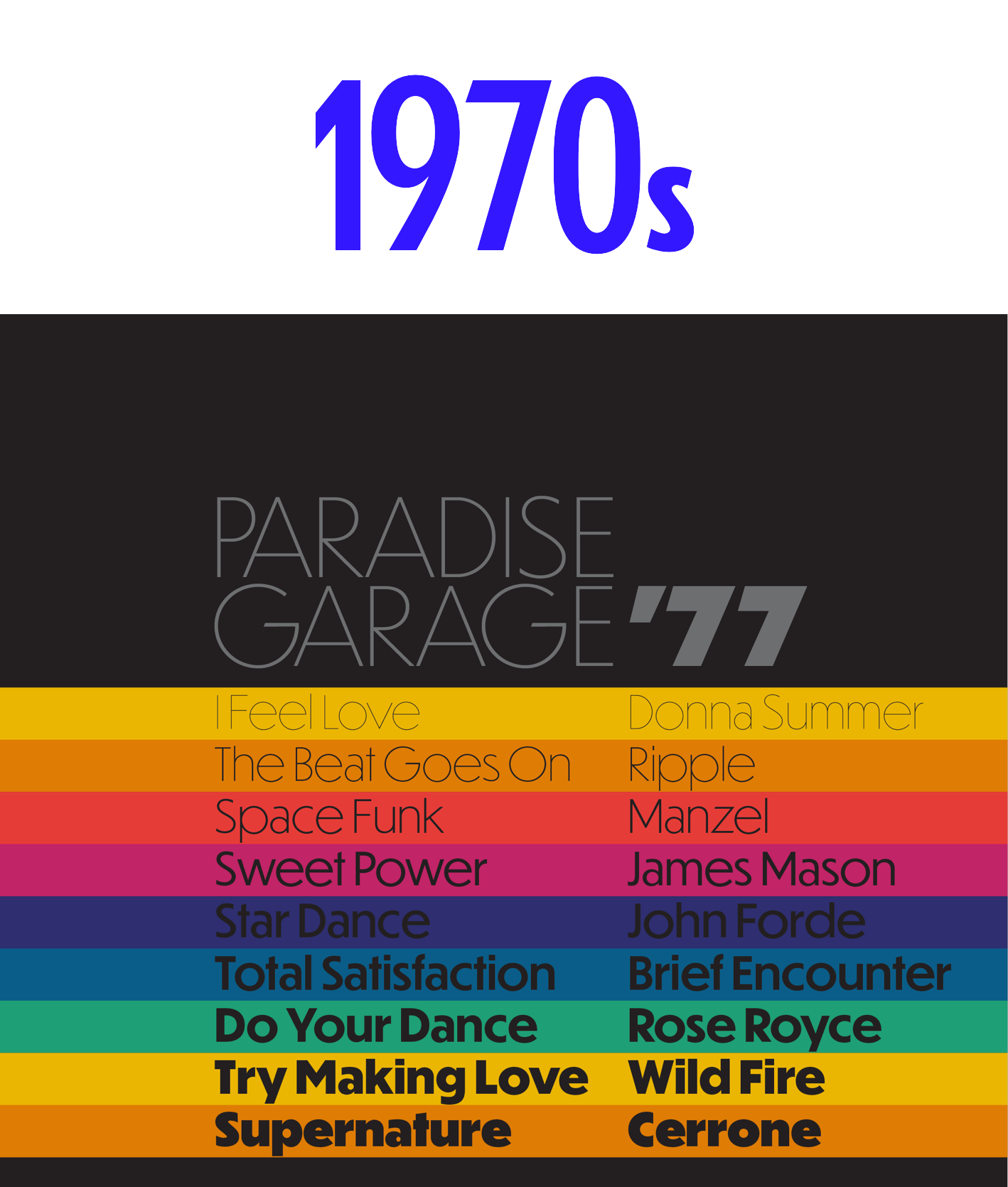
What if, instead of the Futura-based models becoming dominant, Erbar’s model was instead the dominant design? I imagined this would have a 1970s phototype designs with extra large x-height, as Avant Garde or Futura Maxi, but based on Erbar instead. The result, in my mind, would look like Dunbar Tall.
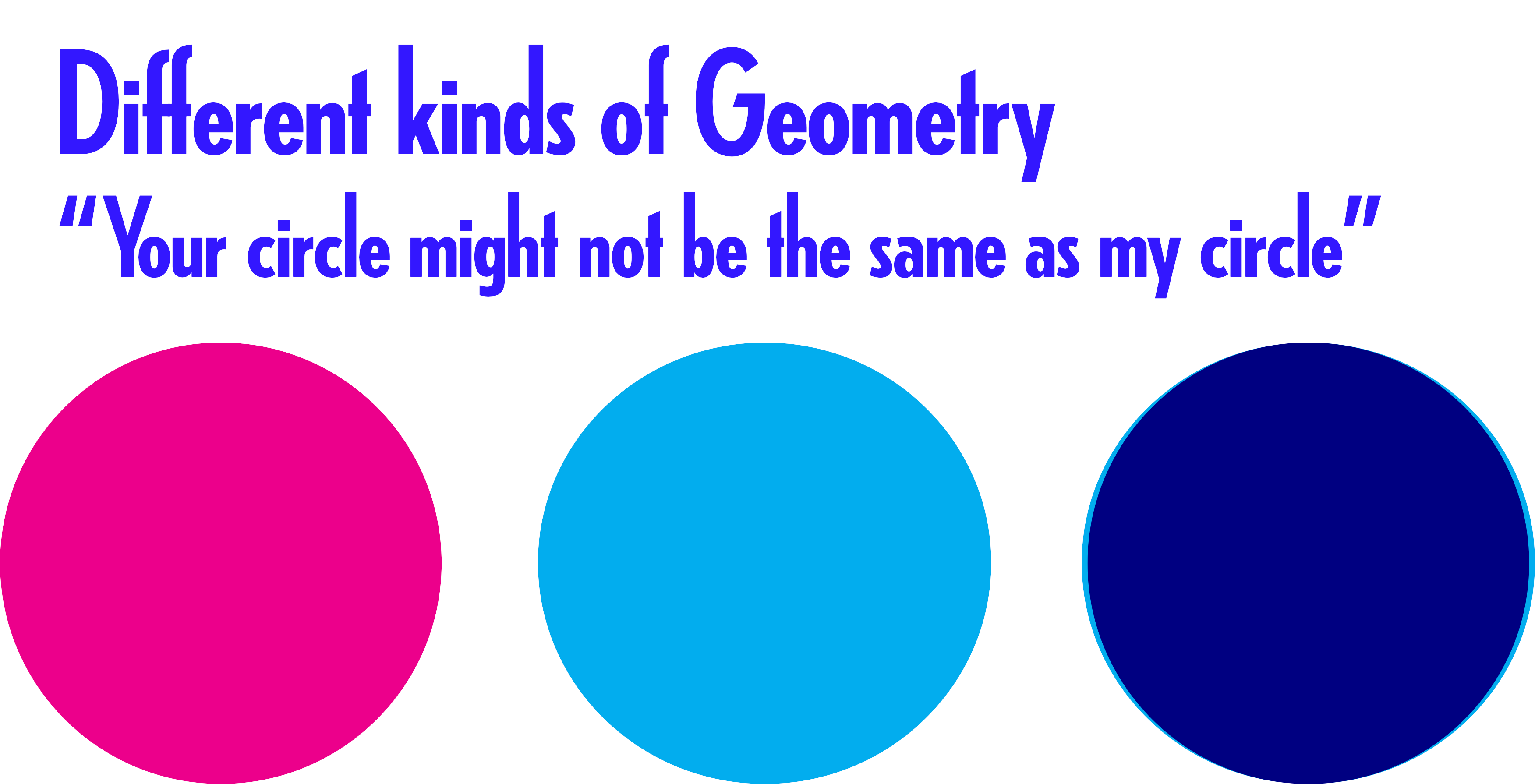
With all geometric typeface designs, optical compensations have to be made. The O that looks like a perfect doesn’t work well if you leave it as a perfect circle. So you need to make optical corrections. And the specific way the designer chooses to make those optical corrections and adjustments determines the flavor of geometry in the typeface.
I came to think of Dunbar’s flavor of geometry as a “warm geometry”. When in doubt I would choose the option that felt warmer. But unlike designs like Avenir, the goal was not humanism or showing more of the effect of the pen. The goal was for the letterforms to retain the feeling of being constructed linear forms, just ones constructed with warmth.
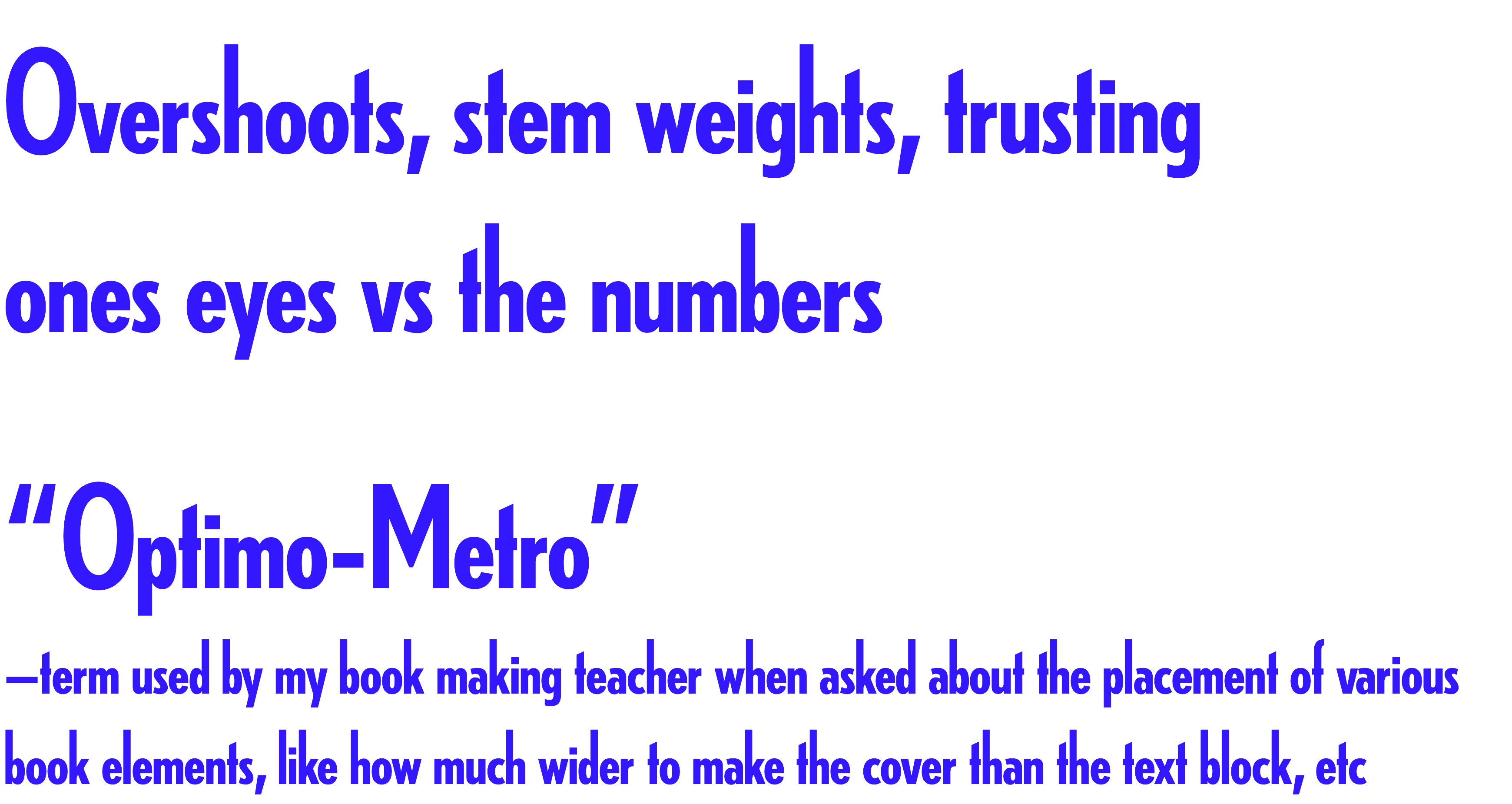
Overshoots are one of those things that I am constantly surprised by. I will think certain curved glyphs should overshoot by the same number of units, and maybe at first they do. But as the design changes, or I spend more time with it, my eyes tell a different story and I need to adjust the overshoots again.
Trusting ones eyes is one of the most difficult aspect of typeface design in my experience. And like any other muscle, no amount of intellectualizing it makes this improve. Just more reps
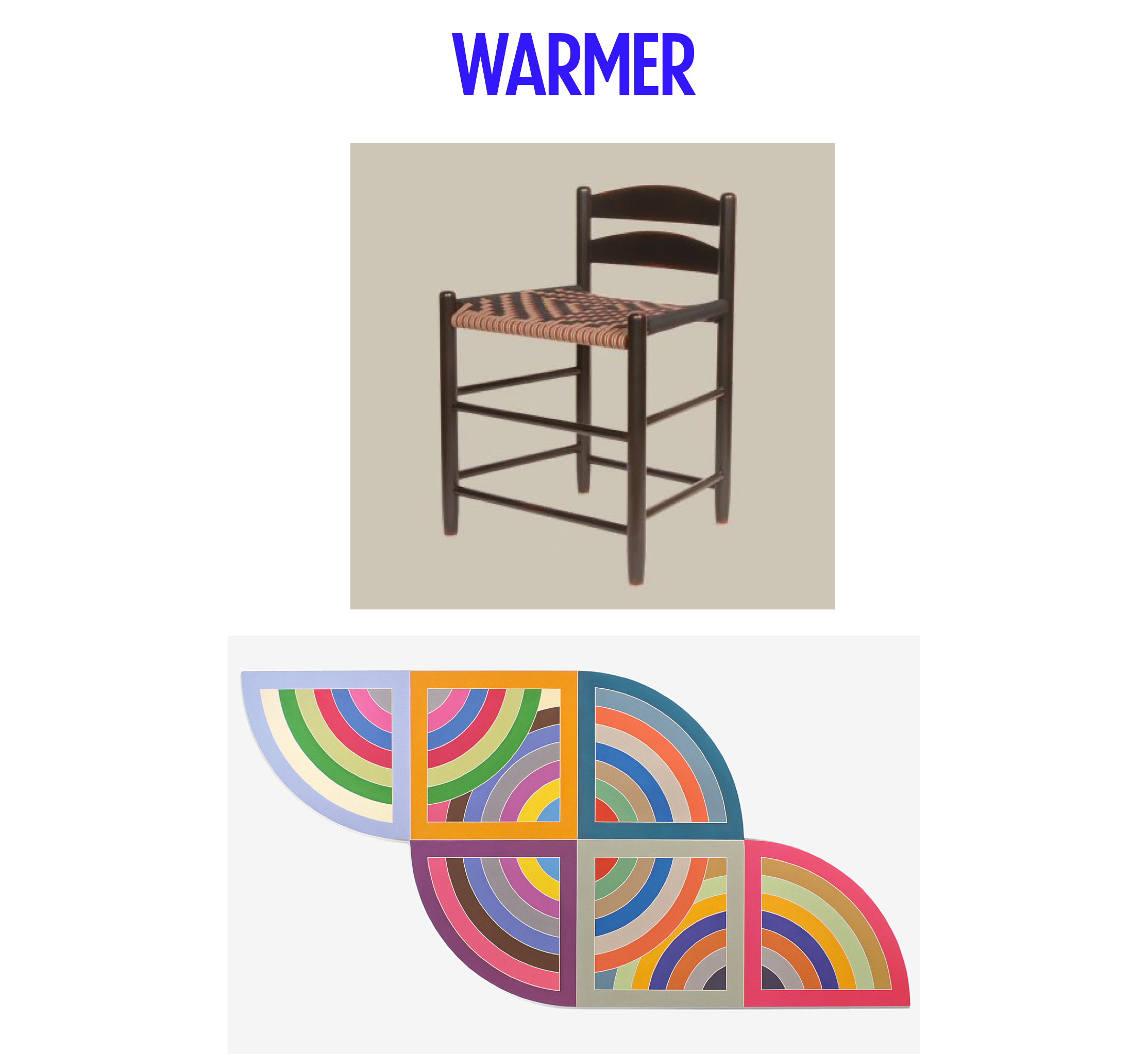
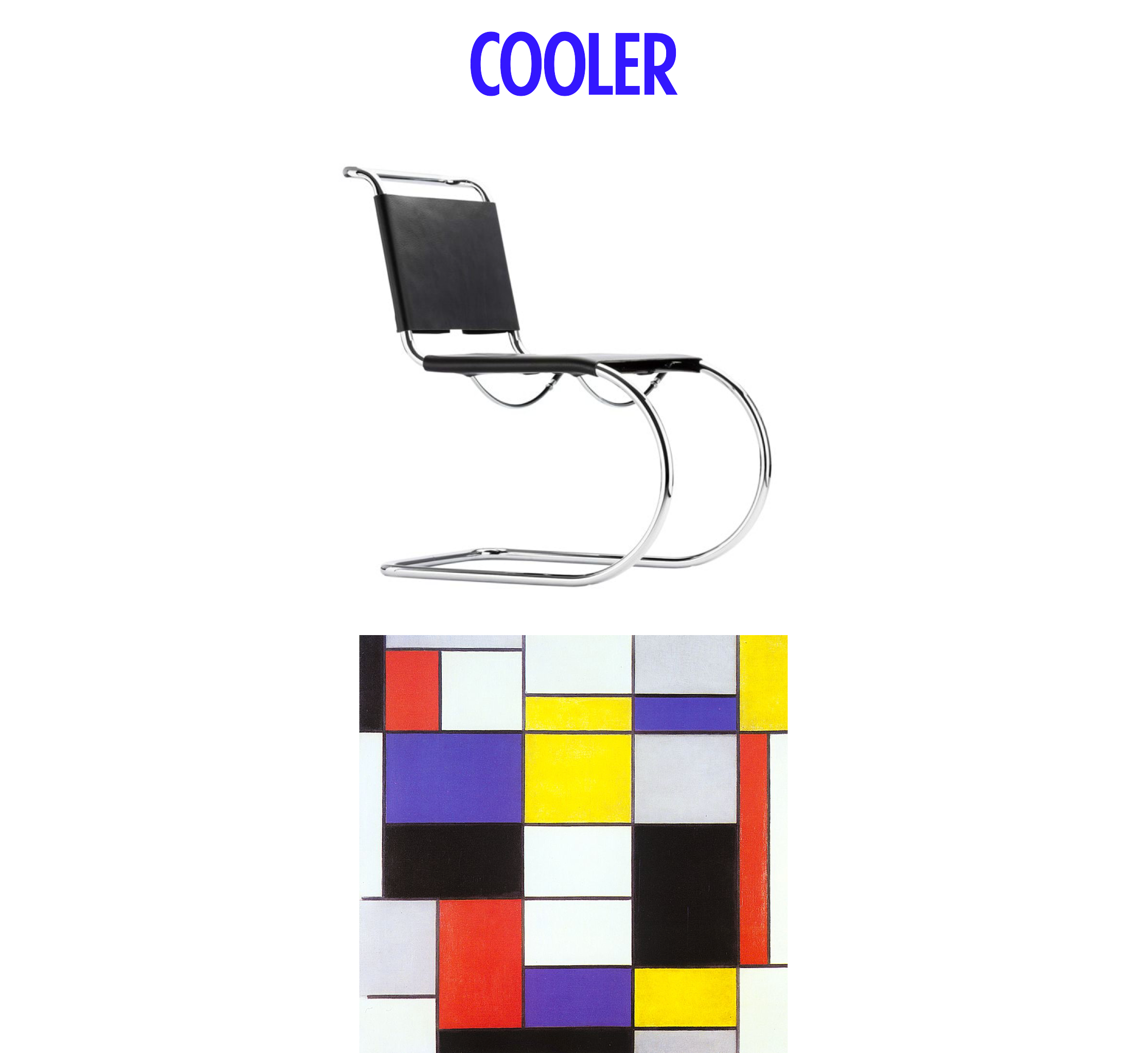
At some point I started to think about how if there are mulitple kinds of geometries, how could these be described? The kind of geometry I was drawn to in the earliest versions of Erbar felt warmer to me than the dominant form of geometry I saw in type design. Then I started to think if I could relate this feeling of warm vs cold designs to any other disciplines that used the idea of geometry or simplification or minimalism. Some parallels that I can see as a touchpoint for this feeling are shaker furniture, where the goal is simplification but it is done with a warmth that stands out from Bauhaus furniture like Mies van de Roe’s MR chair. Or in painting I think of something more like Frank Stella’s Harran II and less like Piet Mondrian’s Composition A 1923. I’m not sure if it’s a perfect metaphor, but it has been useful for me when evaluating what kinds of shapes feel right for Dunbar. This is especially true as I worked out the details of the narrrow, condensed, and compressed widths, where the round letters like /O and /G as well as the lowercase /b /d /p /q and others don't give the illustion of being a “perfect circle” anymore. Of course even in the standard width of Dunbar, letters like /a were already making use of ovals, which is something I loved from the beginning. This “geometry” always had more nuance and more variety to its system, which is what drew me to the work of Jakob Erbar in the beginning.
As the Dunbar series grows, in new widths, or in larger character sets, or other scripts, or any future directions, the warmth of the geometry will be something I always come back to in order to make sure if still feels like the geometry of Dunbar.